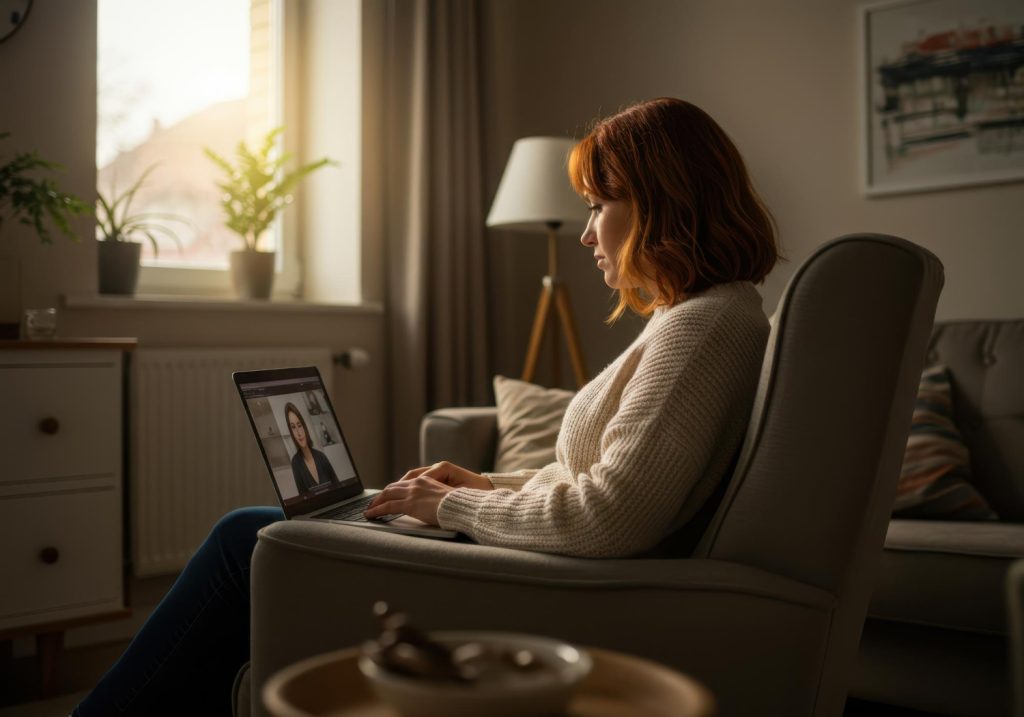
Extended periods in front of screens affect mood, attention, and sleep in measurable ways. Blue light exposure in the evening suppresses melatonin production, delaying the onset of restful sleep and leaving people feeling groggy the next day. Notifications create frequent interruptions that fragment concentration, making sustained focus on complex tasks more difficult. Social media feeds designed to hold attention often amplify comparison or negative emotions when consumed passively for hours.
Intentional limits help counteract these effects. Many devices include built-in tracking that shows usage by app category, allowing users to see patterns without guesswork. Setting daily caps or scheduled downtime—perhaps an hour before bed or during meals—creates natural breaks. Replacing scrolling with reading, walking, or conversation restores mental bandwidth and reduces the subtle stress of constant stimulation.
Evening routines matter particularly. Dimming screens, switching to grayscale mode, or using night-shift filters lessens blue light impact. Physical activities like stretching or journaling serve as transitions that signal the brain to wind down. Keeping phones out of the bedroom prevents late-night checking that fragments sleep cycles further. Small adjustments compound, leading to earlier bedtimes and more refreshed mornings.
Mindful engagement changes the relationship with devices. Approaching screens with purpose—checking messages at set intervals, watching educational content, or connecting meaningfully—reduces aimless browsing. Pausing to ask whether an action adds value shifts habits toward deliberate use. Over time, people report improved focus, steadier moods, and a sense that time belongs to them rather than to algorithms. Balance emerges not from elimination but from conscious choices that prioritize well-being alongside connectivity.