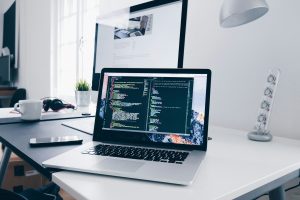
Remote collaboration tools have reshaped office routines for millions. Video meetings replace conference rooms, shared documents update in real time, and messaging platforms keep teams aligned without endless email threads. Employees check tasks from home, coffee shops, or while traveling, blurring traditional boundaries between work hours and personal time. Companies adapt by setting clearer expectations around availability and response times to prevent burnout. The shift demands new skills—digital literacy, self-management, and comfort with asynchronous communication—yet it also grants flexibility that many value highly.
Automation handles repetitive tasks that once consumed hours. Software sorts incoming emails, schedules appointments, generates reports from raw data, and flags inconsistencies in spreadsheets. Workers redirect energy toward creative problem-solving, client relationships, and strategic planning. In fields like marketing, design, and software development, artificial intelligence assists with drafting copy, suggesting layouts, or debugging code, speeding up iteration cycles. Managers notice higher output without proportional increases in headcount, though training remains necessary to use these tools effectively.
Hybrid setups combine in-person and remote elements, influencing physical workspaces. Offices evolve into collaboration hubs with bookable desks, quiet zones, and meeting pods rather than fixed cubicles. Video walls display remote participants during gatherings, and digital whiteboards capture ideas from everyone involved. Commuting patterns change, reducing rush-hour traffic in many cities and lowering carbon emissions from daily travel. Employers invest in home-office stipends to ensure equitable access to ergonomic chairs, monitors, and high-speed internet, recognizing that productivity depends on proper equipment regardless of location.
Data-driven insights guide decisions at every level. Analytics platforms track project progress, employee engagement, and resource allocation, revealing patterns that inform adjustments. Leaders review dashboards showing completion rates, bottleneck points, and workload distribution to redistribute tasks fairly. While privacy safeguards limit what gets monitored, aggregated trends help refine processes and support well-being. Technology does not replace human judgment; it supplies clearer information so choices rest on evidence rather than guesswork, gradually making workplaces more responsive and efficient.